
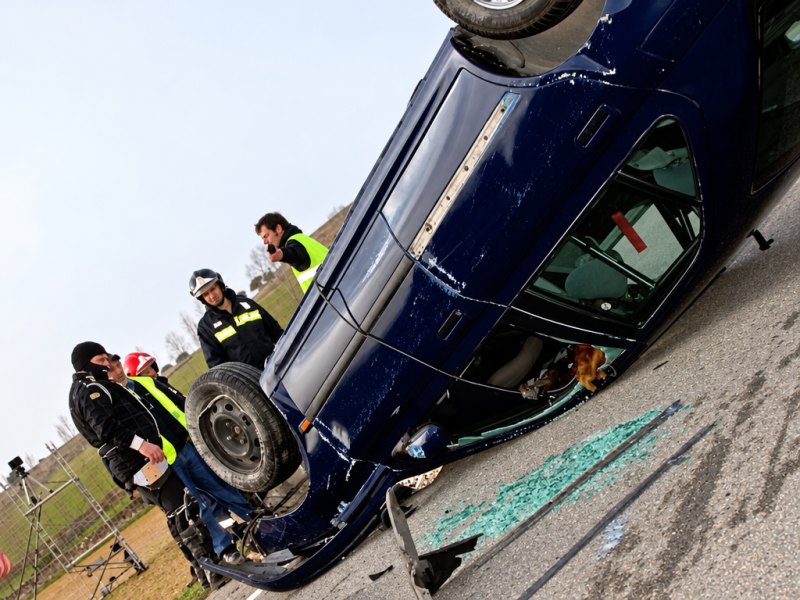
Which types of roads are perceived to have a higher accident risk?
- A)Motorways and highways.
- B)Urban cross-town links.
- C)Conventional roads.✓ Correct answer
Why this is the correct answer
Conventional roads, particularly single-carriageway roads without a physical barrier separating opposing traffic directions, are statistically the most dangerous roads in Spain. According to DGT data, approximately 75-80% of traffic fatalities occur on conventional roads. The main reasons are: 1) Head-on collisions are possible because there is no median barrier separating directions of travel. 2) Variable and often mixed traffic (cars, trucks, tractors, cyclists, pedestrians). 3) Frequent intersections, access points, and level crossings. 4) Narrower lanes and often no hard shoulder. 5) Greater diversity of speed among road users. By contrast, motorways and highways (autopistas y autovías), despite higher speeds, are designed with safety features — physical separation of traffic directions, no level crossings, controlled entry/exit points, and wider lanes — making them statistically much safer per kilometre travelled. Do not confuse higher speed with higher risk: road design matters far more.
More questions about driving types & techniques
- The reaction distance is the distance covered by the vehicle...
- When turning left at this intersection, where should the centre of the intersection be in relation to your vehicle?
- You are driving during the day and it starts to rain torrentially, severely reducing visibility, as shown in the image. Must you turn on the rear fog lights?
- During the day, you are driving your vehicle and notice light snow, so you turn on the dipped headlights and position lights. Do you believe you have activated the correct lights?