
On rural roads without a designated pedestrian area, which individuals must travel on the right-hand side and obey driver signals?
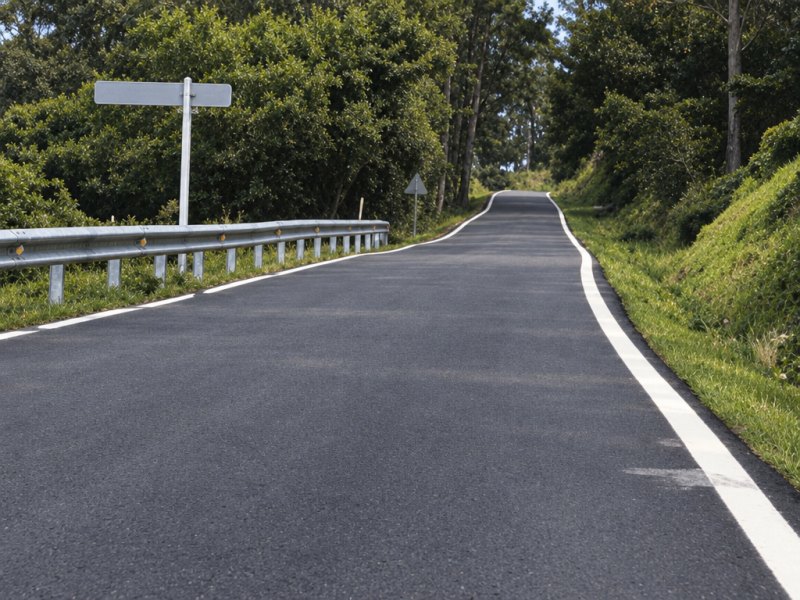
- A)People leading a herd of animals.
- B)People pushing or pulling a two-wheeled motorcycle.✓ Correct answer
- C)Disabled people using a wheelchair.
Why this is the correct answer
People pushing or pulling a two-wheeled motorcycle are considered drivers, not pedestrians, under Spanish traffic law. The legal definition of "pedestrian" includes those pushing a bicycle or a two-wheeled moped, but NOT a motorcycle (which is a motor vehicle). Because they are drivers, they must always travel on the right-hand side and obey all signals intended for drivers. What about the other options? - Option A (people leading a herd of animals): They are considered pedestrians. They must travel on the right-hand side of the road, but they follow rules for pedestrians, not for drivers. They are not required to obey signals intended for drivers unless a specific sign applies to them. - Option C (disabled people in a wheelchair): They are also considered pedestrians. They must also travel on the right when using the road or hard shoulder. However, their obligation to obey driver signals only applies specifically when they are circulating on the roadway or the hard shoulder. Unlike the person pushing a motorcycle, they are not drivers and therefore are not subject to driver rules in all circumstances. The key distinction is that the person pushing a motorcycle is always a driver, so they must always obey driver signals — making option B the only fully correct answer.
More questions about road safety & behaviour
- On a road outside of town with more than one lane in either direction, what is the speed limit?
- How does LSD affect driving?
- Can informal learning to drive, such as observing other drivers, negatively impact other forms of learning?
- What is the maximum speed you cannot exceed when driving an adaptable mixed vehicle on a motorway?